Driver CPC Training Hub (2026 Regulations)
Driver CPC Rules 2026: National vs International & Grandfather Rights. This is the definitive UK guide to Driver CPC. Below, we break down the 35-hour

What licence you need, current statutory fees for Great Britain and Northern Ireland,
financial standing rules, Transport Manager digital declarations, and how to use the
Guide to Maintaining Roadworthiness to get approved first time.
Any business using goods vehicles over 3.5 tonnes or operating buses or coaches
must hold a valid operator’s licence. Your application must be complete and granted
before you operate. Operating without a licence is a serious offence and can
damage your prospects of approval.
Short overview of the process, common pitfalls, and what regulators expect in your submission.
| Region | Application | Grant | Continuation (5-year) | Interim |
|---|---|---|---|---|
| Great Britain | £257 | £401 | £401 | £68 |
| Northern Ireland | £254 | £449 | £449 | £68 |
These are statutory fees published by the relevant authorities and are current at the start of 2026.
The #1 reason for delay is incomplete evidence. Before you log in to the VOL system, gather these items:
You must prove you have access to cash to run your fleet. It is not enough to just deposit money on the day you apply.
Critical “Rules of Evidence”:
For Standard licences, your Transport Manager must hold a valid CPC and exercise genuine, continuous control.
No more paper forms: The old “TM1 Form” is obsolete.
You must adhere to the DVSA Guide to Maintaining Roadworthiness.
Many applications are rejected because of the newspaper advert. Get this right:

Transcom National Training works with Fleet Fixation to support audit-ready
operator-licence applications. While Transcom supports your competence and training, Fleet Fixation supports the application build,
maintenance systems and digital record-keeping to reduce delays and avoidable refusals.
Around 9 weeks for a complete application. Errors in the Public Notice or Financial Standing evidence are the main causes of delay.
Goods operators may apply for an Interim Licence. This is faster but you must still meet full Financial Standing and Maintenance requirements.
Yes, for Standard licences. They must accept a digital invitation to join your licence. Restricted licences do not require a TM but must still meet all compliance obligations (consider an OLAT course).
Common reasons: “Cut out” newspaper adverts (instead of full page), bank statements not showing a 90-day average, or missing maintenance contracts (Annex 5).
Yes. Transcom National Training covers competence and training, while
Fleet Fixation supports the application build and compliance systems.
Build competence early: Transport Manager CPC
(or Home Study),
OLAT
for directors, and the
2-Day Transport Manager Refresher
for ongoing compliance.
Give yourself the best chance of obtaining your operator’s licence first time — contact:
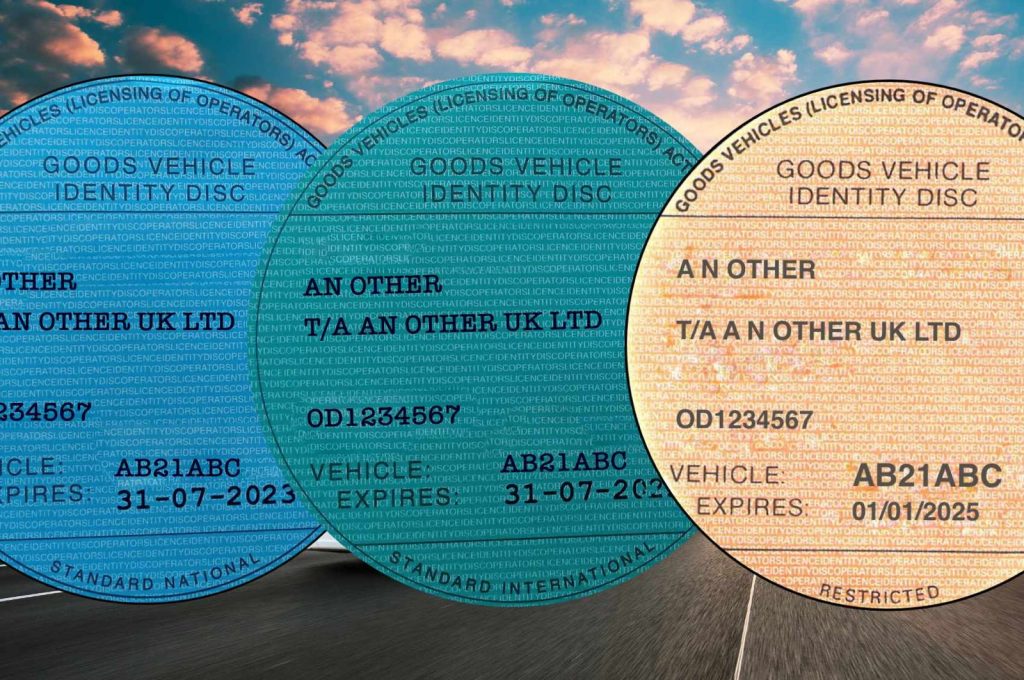
Driver CPC Rules 2026: National vs International & Grandfather Rights. This is the definitive UK guide to Driver CPC. Below, we break down the 35-hour

It is the moment every professional driver dreads. You check your wallet and realize your Driver Qualification Card (DQC) expired three days ago. Or worse—you

UK Assimilated Drivers’ Hours Rules – A Simple Guide for Drivers and Operators Last updated: December 2025 Understanding UK Assimilated Drivers’ Hours Rules If you
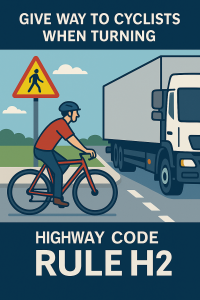
Rule H2 and the Hierarchy of Road Users – What Professional HGV & PCV Drivers Must Know Last updated: 11 November 2025 The Highway

End of “Acquired Rights” for Light Goods Vehicle Transport Managers – Enforcement Update (2025) From 20 May 2025, “Acquired Rights” are no longer accepted to

Operator Licence Compliance 2026 – DVSA transport compliance guidance. Running a Compliant Operator’s Licence in 2026 Practical, DVSA-aligned guidance for 2026 covering vehicle maintenance and