Operation Tramline: What Professional HGV and PCV Drivers Need to Know
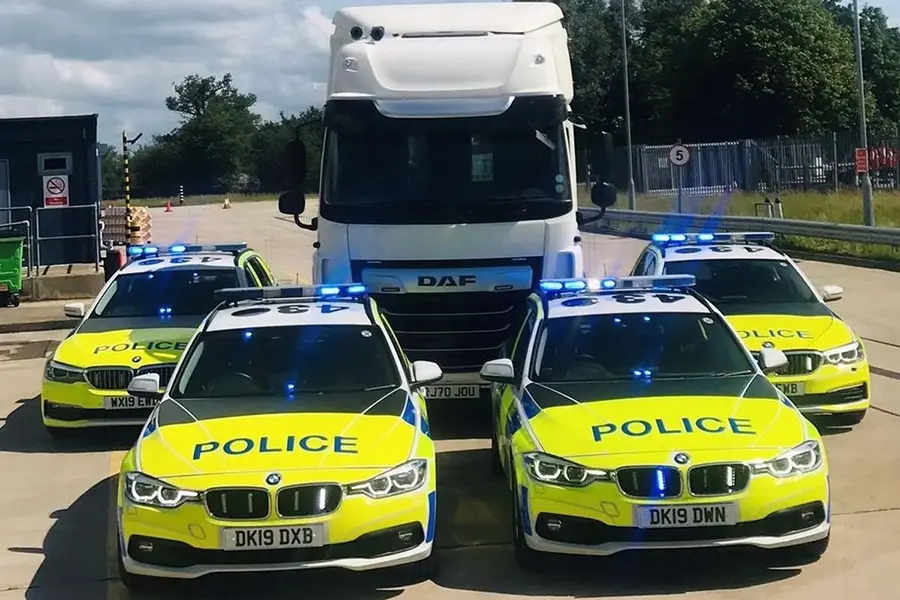
Operation Tramline is not a scare story. It is a real road safety operation using high-level HGV cabs to spot unsafe driving behaviour that may be hidden from normal patrol cars.
For professional HGV and PCV drivers, the message is simple: mobile phone use, seatbelt offences, poor control and avoidable distraction can affect more than your ordinary driving licence. They can put your vocational entitlement, employment and professional reputation at risk.
What Operation Tramline actually is
Operation Tramline is a National Highways and police road safety initiative. It uses specialist HGV cabs to give officers a higher viewpoint into vehicles, including lorries, vans, coaches and cars.
```From that elevated position, officers can identify unsafe behaviour that may be difficult to see from a normal patrol vehicle. Evidence can be recorded and passed to marked police units so drivers can be stopped and dealt with.
- using a hand-held mobile phone or other device;
- not wearing a seatbelt;
- not being in proper control of the vehicle;
- driving without due care and attention;
- unsafe or distracted behaviour behind the wheel.
National Highways publishes current Operation Tramline figures on its own website, including the latest numbers of vehicles stopped and offences recorded since the initiative began.
```Why this matters more for professional drivers
A car driver caught using a phone may receive penalty points and a fine. For a professional driver, the same offence can create a second problem: vocational conduct.
```Traffic Commissioners regulate vocational driver conduct for LGV and PCV entitlement. That means serious or repeated conduct issues can lead to a warning, a driver conduct hearing, suspension, revocation or disqualification from holding vocational entitlement.
Mobile phone use: the rules are not complicated
GOV.UK guidance is clear. You must not hold and use a phone, sat nav, tablet or other device capable of sending or receiving data while driving or riding a motorcycle.
```The law applies even when you are stopped in traffic or queuing. Hands-free use is allowed only if you do not hold the device at any point and the device does not block your view. Even then, you must remain in full control of the vehicle.
| Issue | General position | Why it matters to HGV and PCV drivers |
|---|---|---|
| Hand-held phone or device use | 6 penalty points and a £200 fixed penalty may apply. | In court, lorry and bus drivers can face a maximum fine of £2,500, and vocational conduct may be considered separately. |
| Not in proper control | Police can take action where distraction affects control or view of the road. | Professional drivers are expected to maintain control and attention at all times. |
| Employer or customer pressure | A driver should not use a hand-held device while driving just because work is calling. | If the call relates to an employer or customer, the Traffic Commissioner may look at wider operator management and repute issues. |
Seatbelts and basic control still catch drivers out
Operation Tramline does not only catch phone use. Seatbelt offences remain a major issue in published Operation Tramline updates.
```For professional drivers, this is hard to defend. Wearing a seatbelt and staying in proper control are basic safety standards. Repeated failures suggest poor discipline, poor training, weak management control or a culture where shortcuts have become normal.
Phone out of reach
Set navigation, messages, calls and music before the vehicle moves. If it needs changing, stop safely first.
Seatbelt every time
Do not treat short journeys, yards, depots or “just round the corner” work as an excuse to ignore a basic rule.
No cab multitasking
Eating, paperwork, scrolling, filming or looking down at a device can all create evidence that you were not giving the road proper attention.
A real Traffic Commissioner case
One widely reported case involved an HGV driver who was filmed using a hand-held phone while driving on the M60. The driver had been recording other traffic from the cab.
```The Traffic Commissioner decided the driver’s conduct had fallen seriously below the required professional standard. The driver’s vocational entitlement was revoked and he was disqualified from holding that entitlement for three months.
The lesson is blunt: filming, texting or using a hand-held device behind the wheel is not a harmless mistake for a professional driver. It can become a career problem.
What operators and Transport Managers should do
Operation Tramline should not be treated as “a driver problem” only. If multiple drivers are being caught for the same behaviours, the operator should be asking what the management system is doing to prevent it.
```-
Set a clear mobile device policy.
Drivers should know exactly what is and is not allowed before the vehicle moves. -
Train drivers on the consequences.
Make sure drivers understand the difference between a road traffic penalty and vocational conduct action. -
Do not create pressure to answer calls while driving.
Planners, managers and customers should not expect drivers to answer hand-held devices on the move. -
Investigate incidents properly.
If a driver is stopped or reported, record the facts, review the evidence and take proportionate action. -
Look for patterns.
Repeated phone, seatbelt or control issues may indicate weak supervision, poor culture or ineffective driver training.
What drivers should do now
The safest approach is simple: remove temptation before the wheels turn.
```- Put the phone out of reach before moving.
- Use legal hands-free systems only where safe and appropriate.
- Never hold a phone, tablet, sat nav or device while driving.
- Do not film, scroll, type, read messages or check apps from the cab while moving.
- Wear your seatbelt every time unless a valid legal exemption applies.
- Stop safely before dealing with paperwork, calls, messages or customer instructions.
- Remember that your vocational entitlement is part of your livelihood.
Common questions about Operation Tramline
```Is Operation Tramline only aimed at lorry drivers?
No. The elevated cab helps officers see into many types of vehicles, including cars, vans, HGVs and passenger vehicles. However, professional drivers face higher expectations because they hold vocational entitlement and drive for work.
Can a mobile phone offence really lead to a £2,500 fine?
Yes. The fixed penalty may be £200 and 6 points, but GOV.UK states that a court can impose a maximum fine of £1,000, or £2,500 if the person is driving a lorry or bus.
Can the Traffic Commissioner take action as well?
Yes. Traffic Commissioners can consider vocational driver conduct separately from the road traffic penalty. The outcome depends on the facts, previous history, evidence, aggravating features and mitigation.
Does it matter if the phone call is work-related?
It can. Current statutory guidance says the Traffic Commissioner may be interested in why the driver was using the device, including whether they were speaking to an employer or customer.
What is the safest company rule?
The safest rule is: no hand-held device use while driving. If the device needs attention, the driver should stop safely first.
```Keep driver conduct and compliance standards sharp
Transcom National Training delivers live online Driver CPC, Transport Manager CPC Refresher training and Operator Licence Awareness Training for UK operators, professional drivers, directors and managers.
```Operation Tramline is a useful reminder that road safety and operator compliance are linked. A good system does not wait for drivers to be caught before taking action.
```References and official guidance
- National Highways — Operation Tramline: tackling dangerous driving behaviour
- GOV.UK — Using a phone, sat nav or other device when driving
- GOV.UK — Senior Traffic Commissioner Statutory Document 6: vocational driver conduct
- GOV.UK — Senior Traffic Commissioner statutory document summaries
- Office of the Traffic Commissioner — 3 month ban for driver who filmed traffic while driving HGV
- Warwickshire Police — Operation Tramline enforcement example
This article is for general road safety and transport compliance awareness only. It is not legal advice. Operators, Transport Managers and drivers should check current official guidance and seek professional advice where a specific incident or investigation is involved.